


The BMI Threshold, Straight From the Label
For weight management, the FDA-approved labels for Wegovy, Zepbound, and Foundayo all use the same gate: a body mass index of 30 or higher (the clinical definition of obesity), or 27 to 29.9 (overweight) if you also have at least one weight-related health condition. BMI is a simple ratio of weight to height — a rough screening number, not a diagnosis.
| BMI range | Category | Eligible for weight-loss GLP-1? |
|---|---|---|
|
Under 25
|
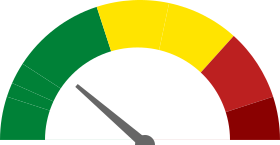
Healthy weight
|
No, outside standard label criteria
|
|
25 – 26.9
|
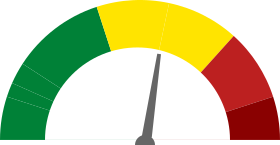
Overweight
|
No, below the label’s comorbidity-adjusted threshold
|
|
27 – 29.9
|
Overweight
|
Yes, if at least one weight-related condition is present
|
|
30 and above
|
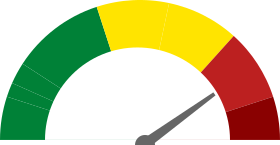
Obesity
|
Yes, on BMI alone
|
Weight-Related Conditions That Lower the Bar
If your BMI sits in the 27–29.9 range, one of these documented conditions is what typically opens the door: type 2 diabetes or prediabetes, high blood pressure, high cholesterol or other lipid problems, obstructive sleep apnea, or existing cardiovascular disease. Your prescriber will ask about these directly, and may want recent labs to confirm them rather than relying on a self-report.
If You Have Type 2 Diabetes, the Rules Are Different
Ozempic and Mounjaro are approved specifically to manage type 2 diabetes — and that approval doesn’t have a BMI gate at all. The clinical basis is blood sugar control, not weight. This is why someone with type 2 diabetes and a BMI of 26 can still be a legitimate candidate for one of these medications, even though the same BMI wouldn’t clear the bar for Wegovy or Zepbound on their weight-loss labels.
The Newer Path: Cardiovascular Risk Reduction
Since 2024In March 2024, the FDA approved Wegovy for a third reason entirely: reducing the risk of major cardiovascular events — cardiovascular death, heart attack, or stroke — in adults with established cardiovascular disease and either obesity or overweight. This came out of the SELECT trial, a 17,604-person study that found a 20% relative risk reduction in these events compared with placebo. No diabetes diagnosis is required for this indication, and the benefit didn’t vary by a patient’s starting BMI, age, sex, or kidney function in the trial data. In January 2025, the FDA separately approved Ozempic to reduce the risk of worsening kidney disease and cardiovascular death specifically in adults with type 2 diabetes and chronic kidney disease — a fourth, narrower path worth knowing if that applies to you.
Weight Management
Type 2 diabetes
Cardiovascular Risk
Who Should Wait or Talk to a Specialist First
Some health histories mean a GLP-1 isn’t the right starting point, or need a specialist involved before anything is prescribed — a personal or family history of certain thyroid cancers, active gastroparesis, or pregnancy, among others. We cover the full contraindication list in detail in our GLP-1 side effects and safety guide rather than repeating it here — worth reading before your consultation either way.
Have You Tried Diet and Exercise First?
Clinical guidelines generally still frame GLP-1 medications as an addition to lifestyle changes, not a replacement for them — and many insurance plans require documented prior attempts at diet and exercise before they’ll cover treatment, even when you clearly meet the BMI threshold. This varies a lot by payer and by state. If cost is a factor, ask your prescriber early what documentation your specific plan wants, rather than finding out after a denial.
BMI Isn’t Everything
BMI doesn’t distinguish muscle from fat, and it doesn’t account for where you carry weight. A muscular person can land in the “overweight” BMI range without the health risk that number usually signals — which is exactly why prescribers look past the number itself: waist circumference, blood pressure, lipid panels, blood sugar, and your overall history all factor into a real evaluation. BMI opens or closes the door on paper. What happens in your actual consultation is more thorough than that.
Understanding who is a good candidate for GLP-1 can help you decide whether it’s the right time to discuss treatment with a healthcare provider.