GLP-1 Education Center
Everything You Need to Know About GLP-1 Medications



What Is This Hub and How Should You Use It?
GLP-1 receptor agonists are a class of medications that slow digestion, reduce appetite, and help regulate blood sugar. They were originally developed for type 2 diabetes. Several — Wegovy, Zepbound – are now FDA-approved specifically for weight loss. Compounded versions using the same active ingredients are available at significantly lower cost through telehealth providers.
This hub covers the fundamentals: how these medications work in the body, what the clinical evidence says about side effects, how brand-name compares to compounded, what things actually cost, how to find a legitimate provider, and who is and isn’t a good candidate for treatment.
Not sure where to start? See the three reader paths below – they match your starting point to the right guides.
Six Things Worth Understanding Before You Start
How GLP-1 Works
How GLP-1 receptors affect hunger, blood sugar, and metabolism — and why these medications work differently from older weight-loss drugs. Covers the mechanism behind both semaglutide and tirzepatide.
GLP-1 Safety and Side Effects
What to expect — from mild nausea in week one to more serious risks. What the clinical trials actually found, not what the marketing says. Includes what the FDA requires providers to disclose.
Brand vs Compounded GLP-1
FDA-approved Wegovy and Zepbound vs compounded semaglutide and tirzepatide. The real differences in regulation, price, and what you’re actually getting. Includes the absorption question for oral compounded versions.
GLP-1 Telehealth Providers & Pharmacies
How online GLP-1 prescriptions work, what LegitScript certification actually means, what questions to ask before paying, and six red flags that should make you walk away.
How to Choose a GLP-1 Provider
Compare telehealth providers, pricing, pharmacy transparency, clinical standards, and support to find the GLP-1 service that best fits your needs.
Who Is a Good Candidate for GLP-1?
BMI thresholds, weight-related conditions that qualify, contraindications, lab work expectations, and how to have an honest conversation with your doctor about whether GLP-1 treatment makes sense for you.
Brand-Name vs Compounded GLP-1 — Key Differences
| Factor | Brand-Name (Wegovy, Zepbound) | Compounded (Sema / Tirz) |
|---|---|---|
|
Factor
FDA approval
|
Brand-Name (Wegovy, Zepbound)
✓ Fully approved — for specific indications
|
Compounded (Sema / Tirz)
Active ingredient is approved — finished product is not
|
|
Factor
Monthly cost (cash-pay)
|
Brand-Name (Wegovy, Zepbound)
$199–$449/month via NovoCare or LillyDirect self-pay; $1,000+ at retail
|
Compounded (Sema / Tirz)
$99–$359/month
|
|
Factor
Insurance coverage
|
Brand-Name (Wegovy, Zepbound)
✓ Often covered with prior authorization
|
Compounded (Sema / Tirz)
✕ Not covered by insurance
|
|
Factor
Manufacturer QC oversight
|
Brand-Name (Wegovy, Zepbound)
✓ Yes — Novo Nordisk / Eli Lilly
|
Compounded (Sema / Tirz)
Pharmacy-level sterile compounding standards
|
|
Factor
Availability
|
Brand-Name (Wegovy, Zepbound)
Supply shortages have occurred (Ozempic, Wegovy)
|
Compounded (Sema / Tirz)
Generally available — check state restrictions
|
|
Factor
LegitScript certification (for telehealth)
|
Brand-Name (Wegovy, Zepbound)
N/A — pharmacies have their own licensing
|
Compounded (Sema / Tirz)
Matters a lot — key legitimacy signal
|
|
Factor
Oral option
|
Brand-Name (Wegovy, Zepbound)
Wegovy pill (brand Rybelsus uses SNAC carrier)
|
Compounded (Sema / Tirz)
Compounded oral tablets — no SNAC carrier, absorption varies
|
|
Factor
Best suited for
|
Brand-Name (Wegovy, Zepbound)
Patients with insurance coverage or who prefer FDA-approved products
|
Compounded (Sema / Tirz)
Cash-pay patients without insurance coverage for GLP-1
|
Pick the Path That Matches Where You Are
How GLP-1 Medications Actually Work
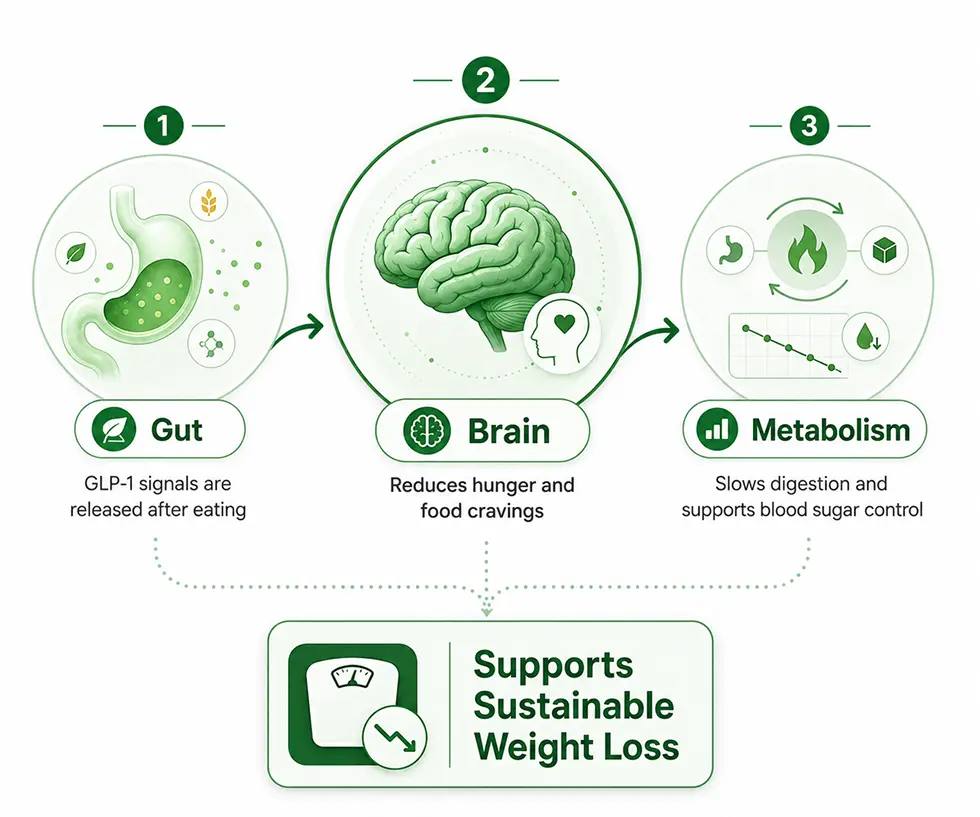
Before comparing providers or prices, it helps to understand the mechanism. GLP-1 agonists mimic a hormone your gut naturally releases after eating. They signal the brain to reduce appetite, slow how fast your stomach empties, and help regulate blood sugar. That’s the short version.
The longer version — which covers why tirzepatide produces greater weight loss than semaglutide, why oral absorption is more complicated than it sounds, and what “GLP-1 receptor agonist” actually means — is in the full guide.
-
~15%
-
~21%
GLP-1 Guides – Frequently Asked Questions
What is GLP-1 Used For?
GLP-1 receptor agonists were first developed for type 2 diabetes — Ozempic and Victoza are examples. Several are now FDA-approved for chronic weight management: Wegovy (semaglutide) and Zepbound (tirzepatide). Off-label, doctors prescribe them for weight loss even in patients without diabetes, which is legal and common. Compounded versions are widely used for the same purpose. This is a prescription-only medication class — you need a licensed provider to prescribe it.
Is Compounded Semaglutide Safe?
The active ingredient — semaglutide — has a strong safety record from clinical trials. The difference with compounded versions is that the finished product isn’t FDA-approved, meaning the FDA doesn’t review it before it ships. Safety depends heavily on the compounding pharmacy. Red flags include providers who won’t disclose which pharmacy prepares the medication, injectables arriving without cold-chain packaging, and no licensed physician involved in prescribing. Our safety guide covers the clinical data on side effects in detail.
Do I Need a Prescription for GLP-1 Medications?
Yes. GLP-1 medications are prescription-only in the United States. Telehealth platforms connect you with a licensed physician who reviews your health history and writes the prescription if you qualify. You don’t need to visit a doctor in person — the intake and approval process happens online through an asynchronous questionnaire or video consult. Legitimate providers will not ship medication without a valid prescription from a licensed provider in your state.
How Much Does GLP-1 Cost Per Month in 2026?
For compounded versions through telehealth: oral semaglutide starts around $99/month, injectable semaglutide runs about $119–$289/month, and compounded tirzepatide about $149–$359/month. Brand-name Wegovy and Zepbound cost $199–$449/month through the manufacturers’ self-pay programs (NovoCare and LillyDirect) and over $1,000/month at retail pharmacies without insurance. If you have health insurance, brand-name GLP-1s are often covered with prior authorization, which can reduce cost to $0–$25/month depending on your plan. Cash-pay compounded versions are not covered by insurance. Our provider reviews include verified pricing for all six platforms we’ve assessed.
What’s the Difference Between Semaglutide and Tirzepatide?
Semaglutide is a GLP-1 receptor agonist — it targets one hormone pathway. Tirzepatide targets two: GLP-1 and GIP (glucose-dependent insulinotropic polypeptide). In clinical trials, tirzepatide produced greater average weight loss — around 21% body weight at the highest dose versus 15% for semaglutide. Tirzepatide is also more expensive in most telehealth programs ($300–$400/month compounded vs $150–$289/month for compounded semaglutide). Many patients start with semaglutide and switch if they need stronger results or aren’t responding.
How Long Does it Take to See Results on GLP-1?
Most patients notice reduced appetite and food noise within 2–4 weeks at starting doses. Visible weight loss — typically 5–10 lbs — usually appears by week 8–12 as doses increase during titration. The clinical trials that showed 15–21% body weight loss ran 68–72 weeks. GLP-1 is a long-term treatment. Results vary significantly between individuals, and patients who don’t respond at 0.5mg semaglutide often respond better at 1.0mg or higher. Stopping treatment typically leads to weight regain within 12 months.
What is The Difference Between Oral and Injectable GLP-1?
Injectable semaglutide (weekly subcutaneous injection) has the strongest clinical data for weight loss. The FDA-approved oral version — Rybelsus — uses a SNAC absorption enhancer that helps semaglutide survive stomach acid. Compounded oral semaglutide tablets don’t include SNAC, which may limit how much gets absorbed — though some patients report good results. If you want the best-evidenced format and are comfortable with injections, injectable compounded semaglutide is the more predictable choice. If you want needle-free, Strut Health offers oral lozenges from $99/month.
Who Should Not Take GLP-1 Medications?
GLP-1 medications are generally contraindicated for people with a personal or family history of medullary thyroid carcinoma or Multiple Endocrine Neoplasia syndrome type 2 (MEN 2). They’re also not recommended during pregnancy or for patients with a history of pancreatitis, serious gastrointestinal disease, or severe kidney impairment. Active eating disorders, recent bariatric surgery, and certain medication interactions are also considered. A licensed provider reviews these during intake — a legitimate telehealth provider will decline to prescribe if you don’t meet criteria, not just approve everyone who applies.
What Happens When I Stop Taking GLP-1?
Most of the weight loss reverses. A 2022 study published in Diabetes, Obesity and Metabolism found patients regained approximately two-thirds of lost weight within 12 months of stopping semaglutide. Appetite returns to baseline, and the metabolic and hormonal signals that GLP-1 was modulating go back to their previous state. This is why GLP-1 treatment is generally discussed as long-term, not a short course. Stopping abruptly is not dangerous, but resuming requires titrating doses back up from a lower starting point.
Can I Switch GLP-1 Telehealth Providers Mid-Treatment?
Yes. Your medication history and current dose aren’t locked to one provider. You can request your health records and bring them to a new telehealth platform, which will typically let you continue at or near your current dose rather than starting from the lowest titration. The main thing to watch: cancellation policies. Some providers charge a $50 fee after prescription approval, and the timing matters — canceling before pharmacy processing is usually free, after is not. Check the cancellation terms before switching, and keep written confirmation of any cancellation request.
Looking for More Answers?
View the full GLP-1 FAQ or email us at support@glp1rating.com
From Education to Decision
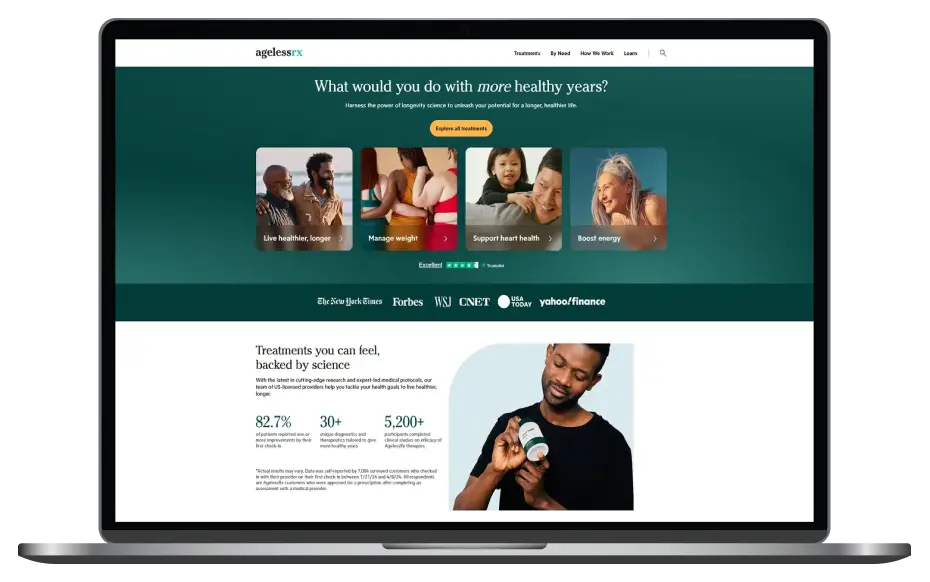

AgelessRxFrom $99/mo


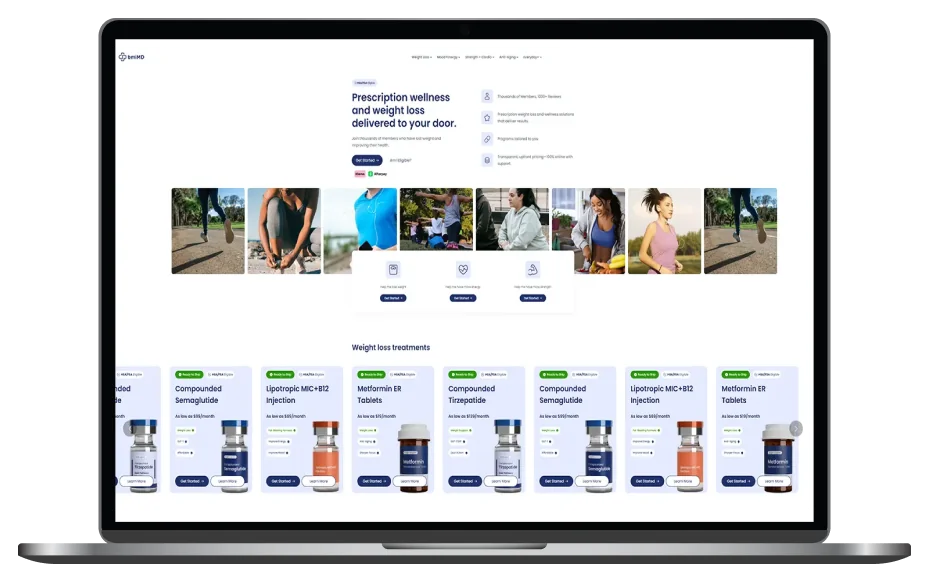

bmiMDFrom $119/mo

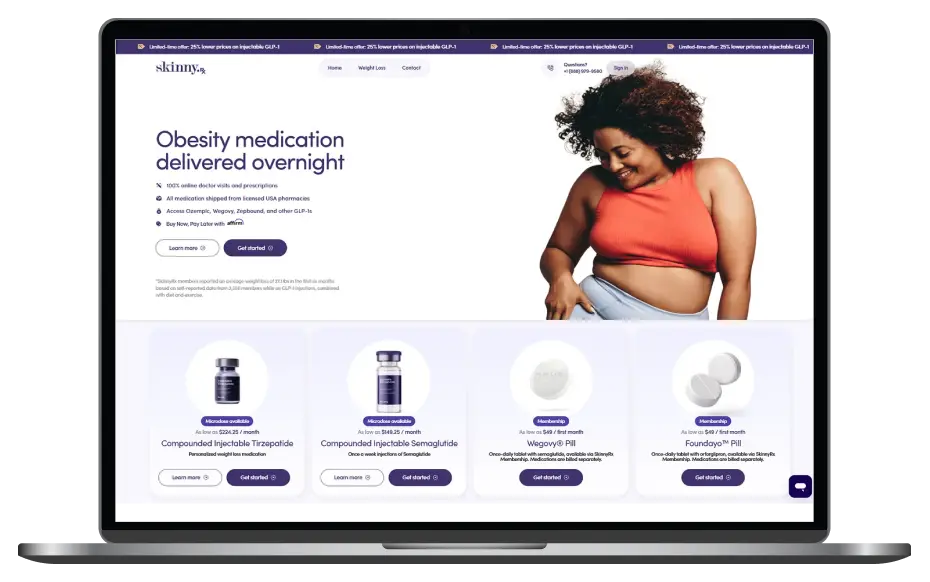

SkinnyRxFrom $99 first month


Get Notified When New Guides Go Live